
Lingua e Cultura inglese
|
|
|
- Daniele Orlando
- 9 anni fa
- Просмотров:
Транскрипт
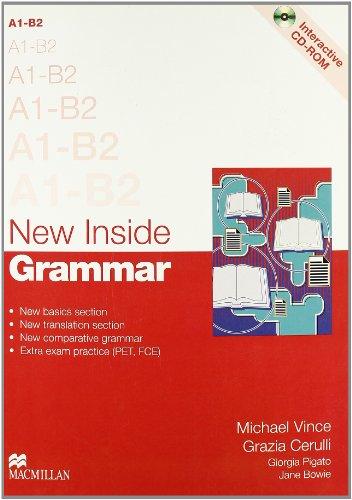
1 Lingua e Cultura inglese Prof.ssa Fabiana Loparco Michael Vince - Grazia Cerulli New Inside Grammar Oxford, Macmillan, 2009 Università degli Studi di Macerata Dipartimento di Scienze della Formazione, dei Beni Culturali e del Turismo Classe: L-19 Anno Accademico 2014/2015
2 Lesson number: 3 1. Il passato prossimo (The present perfect simple) 2. Duration form 3. Il passato prossimo progressivo
3 1. Il passato prossimo/the present perfect simple Si forma con l ausiliare to have + il participio passato del verbo Forma affermativa Forma interrogativa Forma negativa I have worked Have I worked? I haven t worked You have worked Have you worked? You haven t worked He/she/it has worked Has he/she/it worked? He/she/it hasn t worked We have worked Have we worked? We haven t worked You have worked Have you worked? You haven t worked They have worked Have they worked? They haven t worked Nota: si usa sempre l ausiliare to have anche con il verbo essere e verbi di moto: He has been away; The train has just arrived; They have just come back Coma participio passato di go si usa been se si intende andato e tornato ; si usa gone se si intende andato e non ancora tornato I ve never been to Canada (= Non sono mai stato/stata in Canada) Paola s gone to Canada to visit her sister. She s staying away all month (= Paola è andata in Canada a trovare sua sorella. Starà via tutto il mese)
4 Variazioni ortografiche verbi regolari (Per le forme irregolari del verbo vedere la tabella a pp di New Inside Grammar o il sito: - Si aggiunge solo d se il verbo termina in e: live lived; die - died; free - freed La y preceduta da consonante diventa i: study studied; carry carried; cry cried - La y non muta, però, se preceduta da vocale: stay stayed; play played - Monosillabi e bisillabi con accento sull ultima sillaba raddoppiano la consonate finale quando è preceduta da una sola vocale: stop stopped; plan planned; prefer preferred - Verbi terminanti in l preceduta da una sola vocale raddoppiano la l in inglese britannico: travel travelled; rebel rebelled; in inglese americano raddoppiano la l solo se l accento cade sull ultima sillaba: rebelled, traveled - Verbi in ic aggiungono una k: picnic - picnicked
5 Un certo numero di verbi ha una forma propria per il passato semplice e per il participio passato Forma base Passato semplice Participio passato be was/were been come came come go went gone give gave given have had had know knew known read read read see saw seen L elenco dei verbi irregolari può essere consultato a pp di New Inside Grammar o sul sito
6 Uso del passato prossimo semplice Il passato prossimo mette in relazione un azione o situazione passata col presente. Il tempo passato non è quindi mai specificato, né è rilevante. È usato: 1. Per parlare di esperienze avvenute in tempo non precisato del passato (spesso con espressioni di frequenza come never, ever, often, once, twice ) Have you ever ridden a horse? ma Did you ever go riding when you were in Ireland? I ve visited Scotland twice ma When did you visit it last? 2. Per parlare di azioni che si sono verificate in un periodo di tempo non ancora interamente concluso: this minute/week/month/year; this morning (se è ancora mattina), all day, lately, recently, in the last few days, so far, up to now Have you seen Lucy this week/recently? ma Did you see Lucy last week/yesterday? I ve been at home all day ma I stayed at home all day yesterday 3. Quando di una azione passata si vuole mettere in rilievo il risultato, l effetto sul presente (spesso con avverbi come just, not yet, already) Brian has (already) left (= He s not here now) The train has just arrived (= It s in the station now) ma The train arrived a minute ago (ago specifica il momento passato in cui il fatto si è verificato)
7 Uso del passato prossimo semplice I have lost the keys (=le sto ancora cercando) ma I lost the keys (=le ho ritrovate, l azione passata non influenza più il presente) 4. Dopo le espressioni It s the first/the second time Is this the first time you ve visited this country? Nota: Si usa sempre il simple past quando si danno o si chiedono dettagli su una situazione passata, perciò nelle conversazioni si passa spesso dal present perfect simple al simple past: We ve just come back from Mexico - Have you? Did you like it? In alcuni casi è possibile usare sia il simple past che il present perfect. La scelta dipende da ciò che si vuole mettere in rilievo. Si usa il present perfect se l interesse è per la situazione presente, si usa il simple past se l interesse è volto all evento passato (come/in che circostanze è avvenuto, chi/che cosa l ha causato ) George has broken the window (the window is broken) George broke the window (it was George who did it)
8 2. Forma di durata/duration form Il passato prossimo semplice è inoltre usato per parlare di azioni o situazioni che sono iniziate nel passato e continuano nel presente (duration form). In italiano la stessa forma di durata è espressa con il tempo presente, in inglese questo sarebbe un errore. How long have you known the Clarks? We ve known them for about a year; since we moved to this flat, in fact non How long do you know We know them Nota: La durata dell azione è introdotta da for se si specifica un periodo di tempo (for an hour/a week/two days ); è introdotta da since se si indica il momento in cui l azione è cominciata (since he was born ) Verbi come go, leave, arrive, start, begin, finish, find, lose segnalano di norma un azione compiuta, quindi non si usano nella forma di durata. Frasi come è partito da due ore dovranno perciò essere trasformate in è partito due ore fa He left two hours ago non He ve left for two hours Osservate il significato diverso delle due frasi a seconda che si usi il passato prossimo o il passato remoto: How long has he lived in Germany? How long did he live in Germany? (he s still living there) (he s not living there anymore)
9 Forma delle frasi col Present Perfect Simple. (you/dial/the wrong number) (I/read/just/the book) (they/answer/not/my question) (he/speak/not/to me/yet) (she/finish/her work/already)
10 Forma delle frasi col Present Perfect Simple. You have dialled the wrong number. I have just read the book. They have not answered my question. He has not spoken to me yet. She has already finished her work
11 Formula delle domande con il Present Perfect Simple. (you/be/to England/yet)? (How often/she/call/you)? (the kids/tidy up/their rooms)? (How often/you/travel/abroad)? (How many letters/he/write)?
12 Formula delle domande con il Present Perfect Simple. Have you been to England yet? nelle domande yet si inserisce alla fine della frase How often has she called you? Have the kids tidied up their rooms? I verbi che finiscono in y trasformano la y in i dopo l'aggiunta di ed How often have you travelled abroad? Quando alla fine di un verbo troviamo una vocale + l, raddoppiamo la l nell'inglese britannico (travelled). How many letters has he written? verbo irregolare write-wrote-written
13 Completa le domande usando il Present Perfect e scegliendo fra i verbi indicati visit keep give eat clean have brush see finish Have you your teeht? Have you sushi before? Have you a slice of cake for me? Have you dinner? Have you your room? Have you New Zealand? Have you the new James Bond film? Have you your homework? Have you them your money?
14 Completa le domande usando il Present Perfect e scegliendo fra i verbi indicati visit keep give eat clean have brush see finish Have you brushed your teeht? Have you eaten sushi before? Have you kept a slice of cake for me? Have you had dinner? Have you cleaned your room? Have you visited New Zealand? Have you seen the new James Bond film? Have you finished your homework? Have you given them your money?
15 Coniuga i verbi tra parentesi al Present Perfect The policeman (write) the report She (not say) a word to me you James? (see) We (be) to the cinema with our friends She (not bring) any cakes I (come) here to talk to the manager I think the waiter (forget) us Many people (lose) their jobs because of the crisis They (play) cards all night long
16 Coniuga i verbi tra parentesi al Present Perfect The policeman has written the report She hasn t said a word to me Have you seen James? We have been to the cinema with our friends She hasn t brought any cakes I have come here to talk to the manager I think the waiter has forgotten us Many people have lost their jobs because of the crisis They have played cards all night long
17 3. Il passato prossimo progressivo/the present perfect progressive Si forma con have been + la forma in ing del verbo Forma affermativa Forma interrogativa Forma negativa I have been working Have I been working? I haven t been working You have been working Have you been working? You haven t been working He/she/it has been working Has he/she/it been working? He/she/it hasn t been working We have been working Have we been working? We haven t been working You have been working Have you been working? You haven t been working They have been working Have they been working? They haven t been working Con il Present Perfect Progressive si esprimono azioni che durano fino al presente o fino a poco tempo prima e delle quali si sente ancora l'influenza. In questi casi l'attenzione è rivolta allo svolgimento/la durata dell'azione
18 Forma in ing: variazioni ortografiche - La e muta finale cade (ma la -ee rimane): write writing; come coming (ma agree agreeing) - La y finale è sempre mantenuta: study studying; carry carrying - Monosillabi e bisillabi con accento sulla ultima sillaba raddoppiano la consonante finale quando è preceduta da una sola vocale: swim swimming; sit sitting; refer referring - Verbi terminanti in l preceduta da una sola vocale raddoppiano la l in inglese britannico: travel travelling; rebel rebelling; in inglese americano raddoppiano la l solo se l accento cade sull ultima sillaba: rebelling, traveling - Verbi in ie trasformano la ie in y: lie lying; die dying - Verbi in ic aggiungono una k: picnic - picnicking
19 Completa le frasi con il Present Perfect Progressive. Claire (teach) English since We (look) for that document all day. Mr Smith (speak) on the phone for two hours. The students are exhausted because they (take) a difficult test. He (live) here since he was a child.
20 Completa le frasi con il Present Perfect Progressive. Claire has been teaching English since We have been looking for that document all day. Mr Smith has been speaking on the phone for two hours. The students are exhausted because they have been taking a difficult test. He has been living here since he was a child.
21 Formula delle domande nel Present Perfect Progressive. (How long/we/wait/for her)? (How long/she/learn/english)? (How long/they/go out with each other)? (How long/you/exercise)? (How long/he/sit/there)?
22 Formula delle domande nel Present Perfect Progressive. How long have we been waiting for her? How long has she been learning English? How long have they been going out with each other? How long have you been exercising? e a fine parola cade via dopo l'aggiunta dell'ing How long has he been sitting there? monosillabo raddoppia t perché preceduto da vocale
23 Completa le frasi usando il Present Perfect Progressive e scegliendo fra i verbi indicati wait study think use practise feel clean train rain You look exhausted! Yes, I very hard all day long! I of going back to university She much better lately Who my computer? He very hard for the London Marathon The streets are wet. It She the house since this morning Waiter! We for an hour How long you your speech?
24 Completa le frasi usando il Present Perfect Progressive e scegliendo fra i verbi indicati wait study think use practise feel clean train rain You look exhausted! Yes, I have been studying very hard all day long! I have been thinking of going back to university She has been feeling much better lately Who has been using my computer? He has been training very hard for the London Marathon The streets are wet. It has been raining She has been cleaning the house since this morning Waiter! We have been waiting for an hour How long have you been practising your speech?
25 Il passato prossimo semplice o progressivo? Nella forma di durata si possono usare entrambe le forme. La forma progressiva è però in genere preferita It s been raining since this morning How long have you been studying English? Con i verbi come live, work si usa la forma semplice o progressiva a seconda che si consideri la situazione come stabile o temporanea Verbi che esprimono una condizione (be, cost, fit, mean, remain, suit), un sentimento (hate, hope, like, love, prefer, regret, want, wish), una conoscenza (believe, know, realize, recognize, seem, think, understand), una percezione (feel, hear, see, smell, taste, touch) e possesso o appartenenza (belong, have) non sono di norma usati nella forma progressiva I ve been living in London for two months I ve lived in London since I was born I ve known Jane for many years I haven t heard the telephone ring
26 Il passato prossimo semplice o progressivo? Quando si parla di attività recenti, si usa la forma progressiva se si vuole mettere in risalto l azione nel corso del suo svolgimento. In questo caso l interesse è per l attività in sé, non per il risultato Si usa la forma semplice quando si sottolinea il completamento o il risultato di un azione. Si usa perciò sempre la forma semplice se si specifica una quantità o numero Nella forma di durata negativa, la forma progressiva non è in genere usata. Your hands are dirty! What have you been doing? I ve been repairing the car Is it working now? Have you repaired it? Are you crying? No, I ve been peeling onions. I ve peeled about a pound. It hasn t rained for four months non It hasn t been raining Nota: naturalmente la forma progressiva si usa solo per parlare di attività o azioni ripetute, non di un singolo evento: Why haven t you tidied the flat? What have you been doing all afternoon? - I ve twisted my ankle and I can t move.
27 Completa le frasi. Usa il Present Perfect Simple o Present Perfect Progressive secondo le regole. I (study) all day, but I am afraid I (learn/not) much Andrew (eat) two bars of chocolate today. The boy s clothes are dirty because he (play) in the mud. I (arrive/just) at the station. We are exhausted because we (do) exercise all morning How long (you/work) for this company? The kids (finish/not) their homework yet Niall (watch) that film seven times.
28 Completa le frasi. Usa il Present Perfect Simple o Present Perfect Progressive secondo le regole. I have been studying all day, but I am afraid I haven t learnt much. 1. gap: durata Present Perfect Progressive 2. gap: risultato Present Perfect Simple Andrew has eaten two bars of chocolate today. risultato Present Perfect Simple The boy s clothes are dirty because he has been playing in the mud effetto dell'azione Present Perfect Progressive I have just arrived at the station. azione compiuta Present Perfect Simple We are exhausted because we have been doing exercise all morning. effetto dell'azione Present Perfect Progressive How long have you been working for this company? durata Present Perfect Progressive The kids haven t finished their homework yet. risultato Present Perfect Simple Niall has watched that film seven times. quantità Present Perfect Simple
29 Per approfondire ed esercitarsi: Lesson & excercises pp New Inside Grammar
30 English Children s Literature
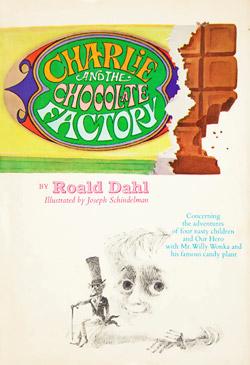
31 Charlie and the Chocolate Factory Author: Roald Dahl Publication date: 1964
Si usa. Lesson 14 (B1/B2) Present perfect simple / Present perfect continuous
 Confronta i diversi usi del present perfect simple e del present perfect continuous. Si usa PRESENT PERFECT SIMPLE per parlare della DURATA (con for e since) di AZIONI/SITUAZIONI NON CONCLUSE, (azioni/situazioni
Esempi: I have studied English and French (Ho studiato Inglese e Francese). Have you made the cake? (Hai fatto il dolce?)
 THE PRESENT PERFECT Il PRESENT PERFECT si usa per indicare un evento o una situazione che hanno conseguenze sul presente o per parlare di un'azione iniziata nel passato e che continua nel presente. I have
Lesson 5 (A1/A2) Present continuous FORMA. you / we / they are ( re) he / she / it is ( s) Interrogativa. are you / we / they is he / she / it
 Lesson 5 (A1/A2) FORMA Affermativa Interrogativa Negativa Interrogativo-negativa I am ( m) you / we / they are ( re) he / she / it is ( s) am I are you / we / they is he / she / it I am not ( m not) you
Lesson 8 (A2) Past simple: forma affermativa. Past simple verbi regolari - forma affermativa. I / we / you / they. forma base del verbo + -ed
 Lesson 8 (A2) Past simple: forma affermativa Past simple verbi regolari - forma affermativa I / we / you / they he / she / it forma base del verbo + -ed Il past simple dei verbi regolari si forma aggiungendo
affermativa sogg. + have ( ve) / has ( s) + participio passato interrogativa have/has + sogg. + participio passato?
 Il present perfect simple si costruisce con: have/has + participio passato del verbo Forma affermativa sogg. + have ( ve) / has ( s) + participio passato interrogativa have/has + sogg. + participio passato?
IL PRESENT PERFECT. l ausiliare TO HAVE coniugato have o has a seconda del soggetto. il PARTICIPIO PASSATO del verbo interessato
 IL PRESENT PERFECT Il Present Perfect è formato da tre elementi: il soggetto l ausiliare TO HAVE coniugato have o has a seconda del soggetto il PARTICIPIO PASSATO del verbo interessato Riguardo al participio
Tempi verbali. present simple
 Tempi verbali present simple I Am I Am not Am I? not? He Is He Is not Is He? She Is She Is not Is She? It Is It Is not Is It? not? not? not? Si usa per: Fatti che risultano sempre veri; I like pizza. Leggi
Forma affermativa Forma negativa Forma interrogativa. I was not. you were not. he-she-it was not. we were not. you were not.
 SIMPLE PAST A differenza di tutti gli altri verbi inglesi che, al Simple Past, utilizzano la stessa forma per tutte le persone, il verbo to be ha due forme per il Simple Past: WAS e WERE. Forma affermativa
Per poter mettere un verbo al Simple Past devono verificarsi contemporaneamente tre condizioni.
 Quando si usa Il Simple Past è il tempo verbale inglese che esprime il concetto generale di un azione che si è svolta nel passato e non ha più nessun rapporto con il presente. Per poter mettere un verbo
VERB TENSES:USE PRESENT SIMPLE PRESENT CONTINUOUS FUTURE-BE GOING TO FUTURE -WILL PAST SIMPLE PAST CONTINUOUS PRESENT PERFECT
 VERB TENSES:USE PRESENT SIMPLE PRESENT CONTINUOUS FUTURE-BE GOING TO FUTURE -WILL PAST SIMPLE PAST CONTINUOUS PRESENT PERFECT PRESENT PERFECT CONTINUOUS PAST PERFECT PRESENT SIMPLE PER PARLARE DI DATI
Base form Simple Past Past Participle Work Worked Worked Lavorai/lavoravo/ho lavorato. Il paradigma di un verbo irregolare è da sapere a memoria.
 1 PASSATI A CONFRONTO: Prima di ripassare i passati, ripassiamo cos è un paradigma. Paradigma viene dal greco, significa esempio o modello. È un modello da ricordare a memoria perché torna utile quando
Integrazione allo studio di. Inglese B1. a cura della Prof.ssa Laura De Gori
 Integrazione allo studio di Inglese B1 a cura della Prof.ssa Laura De Gori Autore dei contenuti: Prof.ssa Laura De Gori Docente del corso: Prof.ssa Laura De Gori i Introduzione all insegnamento di: Inglese
Forma Costruzione Esempio forma affermativa SOGGETTO + FORMA BASE (+ s alla 3 persona sing.) DO NOT = DON'T DOES NOT = DOESN'T
 forma affermativa SOGGETTO + FORMA BASE (+ s alla 3 persona sing.) I work you work he/she/it works we work you work forma negativa SOGGETTO + DO / DOES + NOT + FORMA BASE they work I do not work (I don
Future perfect simple
 Lesson 19 (B2) Future perfect simple e future perfect continuous Future perfect simple Forma affermativa sogg. + will ( ll) have + participio passato interrogativa will + sogg. + have + participio passato?
simple past to be = essere verbi regolari / irregular I was / wasn't you were / weren't he she it was we were you were they were
 simple past to be = essere verbi regolari / irregolari I was / wasn't you were / weren't he she it was we were you were they were Was I? Were you..? regular irregular affirmative -ED/ -IED vedi tabella
VERBI MODALI. MUST o HAVE TO. SCEGLI L'ALTERNATIVA CORRETTA.
 VERBI MODALI CAN, COULD, MAY. SCEGLI L'ALTERNATIVA CORRETTA. 1. I COULD/ CAN dance very well. COULD / CAN you? 2. Richard CAN/COULD talk when he was ten months. 3. I CAN/COULD see Tim. He is over there.
Elementary - Lesson 4
 Elementary - Lesson 4 Il Simple Past dei verbi regolari e irregolari Abbiamo studiato precedentemente il Simple Past del verbo to be. Adesso vedremo come si forma il passato con gli altri verbi. Ricorda
I was not you were not he was not she was not it was not we were not you were not they were not. Was I not? Were you not? Was she not?
 Il passato Grammar File 12 Past simple Il past simple inglese corrisponde al passato prossimo, al passato remoto e, in alcuni casi, all imperfetto italiano. Con l eccezione del verbo be, la forma del past
Practice phrases for class 12
 Practice phrases for class 12 Write in the blank yes if you can use the trapassato prossimo in that sentence and no if you cannot. I have done the first one for you. Carlo was happy because had finished
Present Perfect. Forma affermativa: SOGGETTO + HAVE + PARTIPIO PASSATO
 Present Perfect Present Perfect: forme Present Perfect: funzioni Present Perfect: usi più comuni (senza l impiego di espressioni di tempo) Present Perfect: usi più comuni (con l impiego di espressioni
PASSIVE VOICE. Costruzione attiva e costruzione passiva
 PASSIVE VOICE Costruzione attiva e costruzione passiva In una frase attiva (active voice), il soggetto compie attivamente l azione espressa dal verbo: Mark reads a book. Nella frase passiva (passive voice)
Elementary - Lesson 3
 Elementary - Lesson 3 Il Simple Past del verbo to be Il Simple Past si usa per esprimere un azione che si è svolta in un periodo del passato, interamente trascorso. Corrisponde ai tempi italiani imperfetto,
Periodo ipotetico di III tipo
 Lesson 22 (B2) Third contitional Periodo ipotetico di III tipo Forma Frase subordinata If + sogg. + past perfect (had + participio passato) If she had invited me, Se mi avesse invitato, Frase principale
Materia: INGLESE Data: 24/10/2004
 ! VERBI CHE TERMINANO IN... COME COSTRUIRE IL SIMPLE PAST ESEMPIO e aggiungere -d live - lived date - dated consonante + y 1 vocale + 1 consonante (ma non w o y) cambiare y in i, poi aggiungere -ed raddoppiare
Il Present Simple nella forma interrogativa. Ausiliare do/does + soggetto + verbo principale (all infinito senza to ) + ulteriori determinazioni +?
 Beginner - Lesson 6 Il Present Simple nella forma interrogativa Domande che richiedono risposte brevi La forma interrogativa del Present Simple (presente indicativo) si costruisce con l ausiliare do (
Integrazione allo studio di. Inglese B1. a cura della Prof.ssa Laura De Gori
 Integrazione allo studio di Inglese B1 a cura della Prof.ssa Laura De Gori Autore dei contenuti: Prof.ssa Laura De Gori Docente del corso: Prof.ssa Laura De Gori i Introduzione all insegnamento di: Inglese
Classroom language QUESTIONS
 Classroom language QUESTIONS Chiedi alla tua insegnante se puoi chiedere qualcosa Excuse me, can I ask something? Chiedi se puoi dire qualcosa? Can I say something? Chiedi il significato di apologise What
INDICATIVO/PRESENTE VERBO ESSERE TO BE I am io sono you are tu sei he/she/it is egli/ella/esso è we are noi siamo you are voi siete they are essi sono
 Appunti Inglese INDICATIVO/PRESENTE VERBO ESSERE TO BE I am io sono you are tu sei he/she/it is egli/ella/esso è we are noi siamo you are voi siete they are essi sono INDICATIVO/PRESENTE VERBO AVERE TO
CORSO BASE DI INGLESE
 CORSO BASE DI INGLESE Lezione 10 Docente: Dott.ssa Sara Livio WWW.LEZIONE-ONLINE.IT Passato semplice: verbo essere Passato semplice verbo essere (past simple of to be) Passato semplice: verbo essere Il
PRESENT PERFECT CONTINUOS
 PRESENT PERFECT CONTINUOS 1. Si usa il Present Perfect Continuous per esprimere un'azione che è appena terminata, che si è prolungata per un certo tempo e la cui conseguenza è evidente in questo momento.
U Corso di italiano, Lezione Ventisei
 1 U Corso di italiano, Lezione Ventisei M What are you doing? U Cosa stai facendo? M What are you doing? F I am eating. D Sto mangiando F I am eating. M And you? What are you doing? U E tu? Cosa stai facendo?
PRESENT SIMPLE VERB TO BE (essere)
 PRESENT SIMPLE VERB TO BE (essere) AFFIRMATIVE FULL FORMS SHORT FORMS I AM Io sono I'M Io sono YOU ARE Tu sei YOU'RE Tu sei HE IS Egli è HE'S Egli è SHE IS Ella è SHE'S Ella è IT IS Esso/a è IT'S Esso/a
Il Present Continuous per il futuro e to have to
 Beginner - Lesson 10 Il Present Continuous per il futuro e to have to Come abbiamo visto nella lezione precedente, il Present Continuous è usato per esprimere azioni che avvengono nel momento in cui si
Present Perfect SCUOLA SECONDARIA I GRADO LORENZO GHIBERTI ISTITUTO COMPRENSIVO DI PELAGO CLASSI III C/D
 SCUOLA SECONDARIA I GRADO LORENZO GHIBERTI ISTITUTO COMPRENSIVO DI PELAGO CLASSI III C/D Present Perfect Affirmative Forma intera I have played we have played you have played you have played he has played
Il verbo To be è talvolta utilizzato in Inglese in espressioni in cui in Italiano si usano altri verbi.
 Quali tra le seguenti frasi italiane, presenta il verbo essere? 1. Io vado al mercato 2. Loro cantano le canzoni di natale. 3. Lei è alta. 4. Lui porta gli occhiali. 5. Noi siamo in anticipo. 6. Hai la
TO BE - SIMPLE PRESENT
 TO BE - SIMPLE PRESENT A differenza degli altri verbi inglesi il cui uso del Simple Present non coincide sempre con ilpresente Indicativo italiano, il Simple Present del verbo To be traduce generalmente
Ever e Never pag.2. Futuro:.Pag. 3. Comparativo di maggioranza...pag. 4. Comparativo di minoranza...pag. 5. Comparativo di uguaglianza...pag.
 Indice: Ever e Never pag.2 Present perfect + for / since. Pag. 2 Futuro:.Pag. 3 Comparativi degli aggettivi Comparativo di maggioranza...pag. 4 Comparativo di minoranza...pag. 5 Comparativo di uguaglianza...pag.5
U Corso di italiano, Lezione Quindici
 1 U Corso di italiano, Lezione Quindici U Buongiorno, anche in questa lezione iniziamo con qualche dialogo formale M Good morning, in this lesson as well, let s start with some formal dialogues U Buongiorno,
Lingua e Cultura inglese
 Lingua e Cultura inglese Prof.ssa Fabiana Loparco Michael Vince - Grazia Cerulli New Inside Grammar Oxford, Macmillan, 2009 Università degli Studi di Macerata Dipartimento di Scienze della Formazione,
IL DISCORSO INDIRETTO
 IL DISCORSO INDIRETTO Il discorso indiretto (o riportato ) si usa per riportare parole, discorsi e opinioni di altre persone. Per trasformare il discorso diretto in discorso indiretto serve innanzitutto
-L INFINITO- (THE INFINITIVE)
 Visitaci su: http://englishclass.altervista.org/ -L INFINITO- (THE INFINITIVE) In inglese l infinito dei verbi è caratterizzato da: Particella to + forma base del verbo infinito presente Particella to
EURO IN FORMAZIONE ON LINE ANNO III MATERIA: INGLESE LEZIONE 4. Conditional Tense
 Conditional Tense Forma affermativa Soggetto + would ( d) / should + infinito senza to Forma interrogativa Would / should + soggetto + infinito senza to Forma negativa Soggetto + would not (wouldn t) /
Lei, Vandelli. Click here if your download doesn"t start automatically
 Finferli, galletti e gallinacci. Alla scoperta del fungo più divertente da cercare. (Damster - Quaderni del Loggione, cultura enogastronomica) (Italian Edition) Lei, Vandelli Click here if your download
U Corso di italiano, Lezione Venticinque
 1 U Corso di italiano, Lezione Venticinque U Oggi, facciamo un altro esercizio M Today we do another exercise U Oggi, facciamo un altro esercizio D Noi diciamo una frase in inglese e tu cerca di pensare
Basic English Grammar. long forms short forms long forms short forms
 Lesson 29 www.englishforitalians.com 1 contractions abbreviazioni to be (present simple) I am I m I am not I ----- you are you re you are not you aren t he is he s he is not he isn t she is she s she is
Lesson 6 (B1) Present Continuous (2) Quando si usa. Il present continuous si usa per:
 Quando si usa Il present continuous si usa per: parlare di azioni in corso di svolgimento nel momento in cui si parla (spesso accompagnato da espressioni di tempo come: now, at the moment). Sharon is writing
TEST DI VALUTAZIONE INGLESE
 TEST DI VALUTAZIONE INGLESE 1) What's name? Jane Pitt. a) you b) your c) yours 2) How old are you? a) I have 30 b) 30 years c) I m 30 3) name is Nicholas Ray a) His b) He's c) He 4) is a Fox Terrier. a)
U Corso di italiano, Lezione Ventuno
 1 U Corso di italiano, Lezione Ventuno U Oggi, facciamo un esercizio M Today we do an exercise U Oggi, facciamo un esercizio D Noi diciamo una frase in inglese e tu cerca di pensare a come dirla in italiano:
Sia must che have to esprimono necessità e obbligo. 1. Must esprime un obbligo imposto da chi parla, o sentito personalmente come un dovere.
 Lesson 32 www.englishforitalians.com 1 must - have to must Sia must che have to esprimono necessità e obbligo. 1. Must esprime un obbligo imposto da chi parla, o sentito personalmente come un dovere. >
U Corso di italiano, Lezione Quattordici
 1 U Corso di italiano, Lezione Quattordici F Hi. A bit of grammar today Do you remember? In Italian, there are two ways to address people. You can either talk to someone in an informal way, for example
Lesson 24: Prepositions of Time. (in, on, at, for, during, before, after) Lezione 24: Preposizioni di tempo. Come usare le preposizioni di tempo.
 Lesson 24: Prepositions of Time (in, on, at, for, during, before, after) Lezione 24: Preposizioni di tempo Come usare le preposizioni di tempo. Reading (Lettura) I was born in 2000. (Sono nato nel 2000)
Lesson 42: have to, don t have to. Lezione 42: devo, non devo
 Lesson 42: have to, don t have to Lezione 42: devo, non devo Reading (Lettura) We have to go to school tomorrow. ( Dobbiamo andare a scuola domani ) I have to get up at 5 am tomorrow. ( Devo alzarmi alle
Grammatica inglese Milia INGLESE. davanti a parole che iniziano per consonante e con suono iu : a dog, a european car
 INGLESE ARTICOLO DETERMINATIVO (il, lo, la, i, gli, le) The INDETERMINATIVO (un, uno, una) A An davanti a parole che iniziano per consonante e con suono iu : a dog, a european car davanti a parole che
I verbi inglesi: forma negativa, interrogativa e interrogativo-negativa.
 I verbi inglesi: forma negativa, interrogativa e interrogativo-negativa. Queste note intendono offrire al principiante una pratica chiave per il trattamento delle forme interrogative, negative e interrogative-negative
Lesson 18 (B2) Future continuous. Forma
 Forma affermativa sogg. + will ( ll) + be + forma in -ing interrogativa will + sogg. + be + forma in -ing? negativa sogg. + will not (won t) + be + forma in -ing interrogativo-negativa won t + sogg. +
Scuola Bottega Artigiani S. Polo Materia: Lingua Inglese Docente: Alice Adami Programmazione svolta Annualità: Seconda Anno Formativo:
 Scuola Bottega Artigiani S. Polo Materia: Lingua Inglese Docente: Alice Adami Programmazione svolta Annualità: Seconda Anno Formativo: 2016-2017 - Present Simple (verbi ordinari); - Adverbs of frequency;
infinitive past simple past participle to be = essere, stare was/were = ero, stavo fui, stetti
 Lesson 36 www.englishforitalians.com 1 1. Past Simple to be infinitive past simple past participle to be = essere, stare was/were = ero, stavo fui, stetti been = stato I was was I? you were were you? he
INDIRECT SPEECH = Il discorso indiretto
 INDIRECT SPEECH = Il discorso indiretto In inglese come in italiano, per riferire ciò che ha detto qualcuno si può utilizzare il discorso diretto (= direct speech): Amy says, I m fine. = Amy dice: Sto
UNIT 2 PRESENT PERFECT SIMPLE - PRESENT PERFECT CONTINUOUS
 UIT 2 RESET ERFECT SIMLE - RESET ERFECT COTIUOUS er definire le situazioni espresse attraverso l uso del present perfect simple utilizzeremo la seguente terminologia: duration + stative verb duration +
Lesson 16 (A1/A2) Present continuous / Be going to / Future simple
 Lesson 16 (A1/A2) Present continuous / Be going to / Future simple In inglese per esprimere il futuro si utilizzano tre diverse costruzioni di base: il present continuous accompagnato da un espressione
Ansia e Attacchi di Panico - Breve Corso di Auto- Terapia per Risolvere il Problema (Italian Edition)
 Ansia e Attacchi di Panico - Breve Corso di Auto- Terapia per Risolvere il Problema (Italian Edition) Click here if your download doesn"t start automatically Ansia e Attacchi di Panico - Breve Corso di
Le piccole cose che fanno dimagrire: Tutte le mosse vincenti per perdere peso senza dieta (Italian Edition)
 Le piccole cose che fanno dimagrire: Tutte le mosse vincenti per perdere peso senza dieta (Italian Edition) Istituto Riza di Medicina Psicosomatica Click here if your download doesn"t start automatically
Lesson 41: may, might, might not. Lezione 41: puoi, potresti, non potresti
 Lesson 41: may, might, might not Lezione 41: puoi, potresti, non potresti Reading (Lettura) You may have a seat. ( Puoi sederti ) May I borrow your book? ( Posso prendere in prestito il tuo libro?) The
Accordi Fast car canzone di Tracy Chapman, spartito, note pdf da scaricare, chords per chitarra
 Accordi Fast car canzone di Tracy Chapman, spartito, note pdf da scaricare, chords per chitarra Accordi Fast car Accordi Fast car canzone di Tracy Chapman, spartito, note pdf da scaricare, chords per chitarra.
U Corso di italiano, Lezione Ventiquattro
 1 U Corso di italiano, Lezione Ventiquattro U Oggi, facciamo un altro esercizio M Today we do another exercise U Oggi, facciamo un altro esercizio D Noi diciamo una frase in inglese e tu cerca di pensare
Lingua inglese Agorà condivisa Istituto professionale indirizzo servizi socio sanitari
 Lingua inglese Agorà condivisa Istituto professionale indirizzo servizi socio sanitari CPIA LECCE Childcare and facilities: day nurseries The description of a Day Nursery da Caring for People, Bellomarì
Liceo Linguistico e Liceo Socio Psico Pedagogico Sperimentale Bambin Gesù San Severino Marche. Anno Scolastico 2008/2009
 Liceo Linguistico e Liceo Socio Psico Pedagogico Sperimentale Bambin Gesù San Severino Marche Anno Scolastico 2008/2009 DOCENTE: Cinzia Agostinelli MATERIA: Inglese Classe: 2ª PROGRAMMA SVOLTO GRAMMATICA
U Corso di italiano, Lezione Diciannove
 1 U Corso di italiano, Lezione Diciannove U Al telefono: M On the phone: U Al telefono: U Pronto Elena, come stai? M Hello Elena, how are you? U Pronto Elena, come stai? D Ciao Paolo, molto bene, grazie.
-LE DOMANDE- (QUESTIONS)
 Visitaci su: http://englishclass.altervista.org/ -LE DOMANDE- (QUESTIONS) Abbiamo già avuto modo di parlare riguardo come rendere interrogativa una frase affermativa. Se il verbo della frase è un verbo
U Corso di italiano, Lezione Tredici
 1 U Corso di italiano, Lezione Tredici U Francesca, tu capisci l inglese? M Francesca, do you understand English? U Francesca, tu capisci l inglese? D Non lo capisco molto bene. Perché? M I don t understand
PRESENT CONTINUOUS con valore di FUTURO
 Tuesday,16th of January 2018 PRESENT CONTINUOUS con valore di FUTURO In inglese il Present Continuous assume significato di futuro quando indica un azione che abbiamo deciso nel passato di compiere nel
U Corso di italiano, Lezione Venti
 1 U Corso di italiano, Lezione Venti M Hi Elena, how are you? D Non molto bene. F Not very well. D Non molto bene. U Cos hai? M What s the matter? U Cos hai? F I have a headache U Davvero? Forse è il tempo
U Corso di italiano, Lezione Ventidue
 1 U Corso di italiano, Lezione Ventidue U Oggi, facciamo un altro esercizio M Today we do another exercise U Oggi, facciamo un altro esercizio D Noi diciamo una frase in inglese e tu cerca di pensare a
UNITÀ DIDATTICA 27 IL DISCORSO INDIRETTO. FUTURE IN THE PAST
 UNITÀ DIDATTICA 27 IL DISCORSO INDIRETTO. FUTURE IN THE PAST DISCORSO INDIRETTO Il discorso indiretto si usa per riferire qualcosa che è stato detto in precedenza in forma di dialogo (discorso diretto).quando
Lesson 3 (A1/A2) Present simple forma affermativa. Forma
 Lesson 3 (A1/A2) Present simple forma affermativa Forma I you he, she, it we you they s La forma affermativa del present simple si costruisce con l infinito senza to per tutte le persone, tranne la 3 a
SUMMER HOMEWORK! Name: Surname: Class: School year: Indice:
 SUMMER HOMEWORK! Name: Surname: Class: School year: Indice: 1. GRAMMAR. Durante l estate dovrai trascrivere solo le parti blu del tuo libro di testo su un quaderno piccolo: pagine 10 e 11; pagine 18 e
ESAME DI QUALIFICA TRIENNALE (II LIVELLO EUROPEO)
 Nome e Cognome Id Azione Data.. Tipo prova INGLESE - III anno - sessione 1 a.f. 2008/2009 ESAME DI QUALIFICA TRIENNALE (II LIVELLO EUROPEO) LEGGI ATTENTAMENTE LE SEGUENTI FRASI, CHE RAPPRESENTANO POSSIBILI
Il Piccolo Principe siamo noi: Adattamento teatrale per la scuola primaria (ABW. Antoine de Saint- Exupery) (Volume 1) (Italian Edition)
 Il Piccolo Principe siamo noi: Adattamento teatrale per la scuola primaria (ABW. Antoine de Saint- Exupery) (Volume 1) (Italian Edition) Antoine de Saint-Exupery Click here if your download doesn"t start
L'università in Italia (Farsi un'idea) (Italian Edition)
 L'università in Italia (Farsi un'idea) (Italian Edition) Giliberto Capano Click here if your download doesn"t start automatically L'università in Italia (Farsi un'idea) (Italian Edition) Giliberto Capano
FORMA AFFERMATIVA SOGGETTO VERBO BE COMPLEMENTO You are Italian FORMA INTERROGATIVA VERBO BE SOGGETTO COMPLEMENTO Are you Italian
 an actor? an actor? actors? Yes, I am no, I am not Yes,she is no,she isn t Yes,they are no,they aren t NELLA FORMA INTERROGATIVA IL VERBO VA MESSO PRIMA DEL SOGGETTO FORMA AFFERMATIVA SOGGETTO VERBO BE
Compiti estivi classe 2A
 Compiti estivi classe 2A 1. Self-check! Quanto ricordi di quanto hai imparato? Scegli l alternativa corretta. My mum is 42. s a teacher. a. He b.she c. I Francesca and I from Italy. a. am b. is c. are
Verbi regolari. Esempi: ( nella traduzione ci sono 2 verbi) Look I looked ( ho guardato) We wanted ( abbiamo voluto) They played ( hanno giocato)
 TEMPI: Past simple Il past simple si forma aggiungendo ED Alla forma base del verbo, Ma ci sono dei verbi irregolari( Pag.127) che hanno una forma tutta personale. Verbi regolari Esempi: ( nella traduzione
DIETA SENZA GLUTINE Per CALCIATORI: Migliora il Modo in cui ti Nutri per Avere una Migliore Performance (Italian Edition)
 DIETA SENZA GLUTINE Per CALCIATORI: Migliora il Modo in cui ti Nutri per Avere una Migliore Performance (Italian Edition) Mariana Correa Click here if your download doesn"t start automatically DIETA SENZA
100 consigli per vivere bene (Italian Edition)
 100 consigli per vivere bene (Italian Edition) Raffaele Morelli Click here if your download doesn"t start automatically 100 consigli per vivere bene (Italian Edition) Raffaele Morelli 100 consigli per